
 Jamaica




Lorem ipsum dolor sit amet, dolor siterim consectetur adipiscing elit. Phasellus duio faucibus est sed facilisis viverra. Umero praesent nec accumsan nibh, eu grav da metus.
1 min read
(Dispatched by Kingston Express)
When selling through Dispatched by Kingston Express, both returns and claims can happen — but they are not the same thing.
Understanding the difference helps sellers:
This guide breaks it down simply and clearly.
| Topic | Returns | Claims |
|---|---|---|
| Who initiates | Customer | Kingston Express or Seller |
| Reason | Customer no longer wants item / issue | Damage, loss, or dispatch error |
| Where item goes | Back to dispatchment center | Investigated by dispatchment team |
| Inventory impact | May be restocked or removed | Adjusted after investigation |
| Seller action needed | Usually none | Sometimes required |
📌 Returns = customer experience. Claims = operational review.
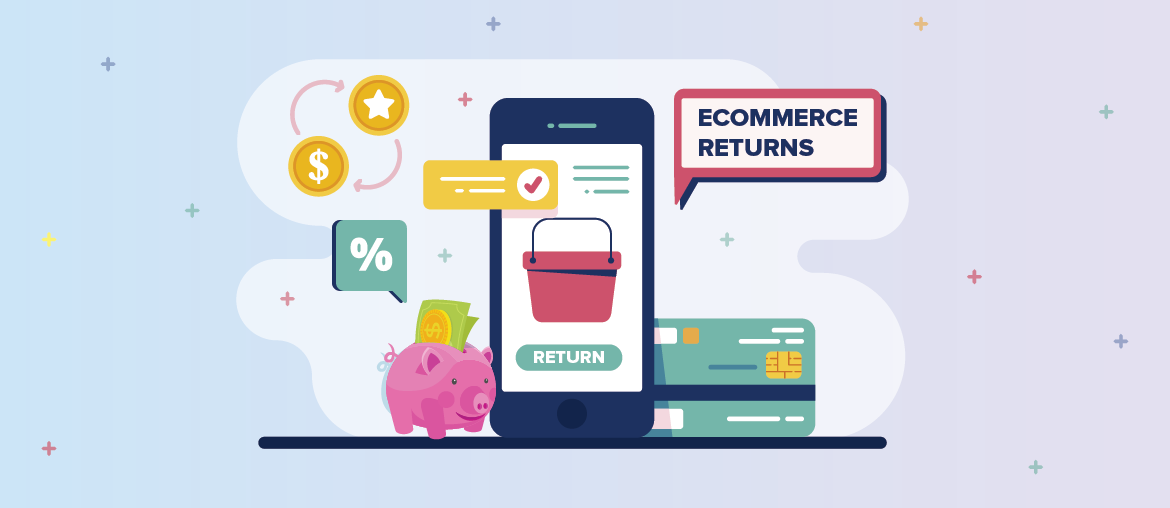
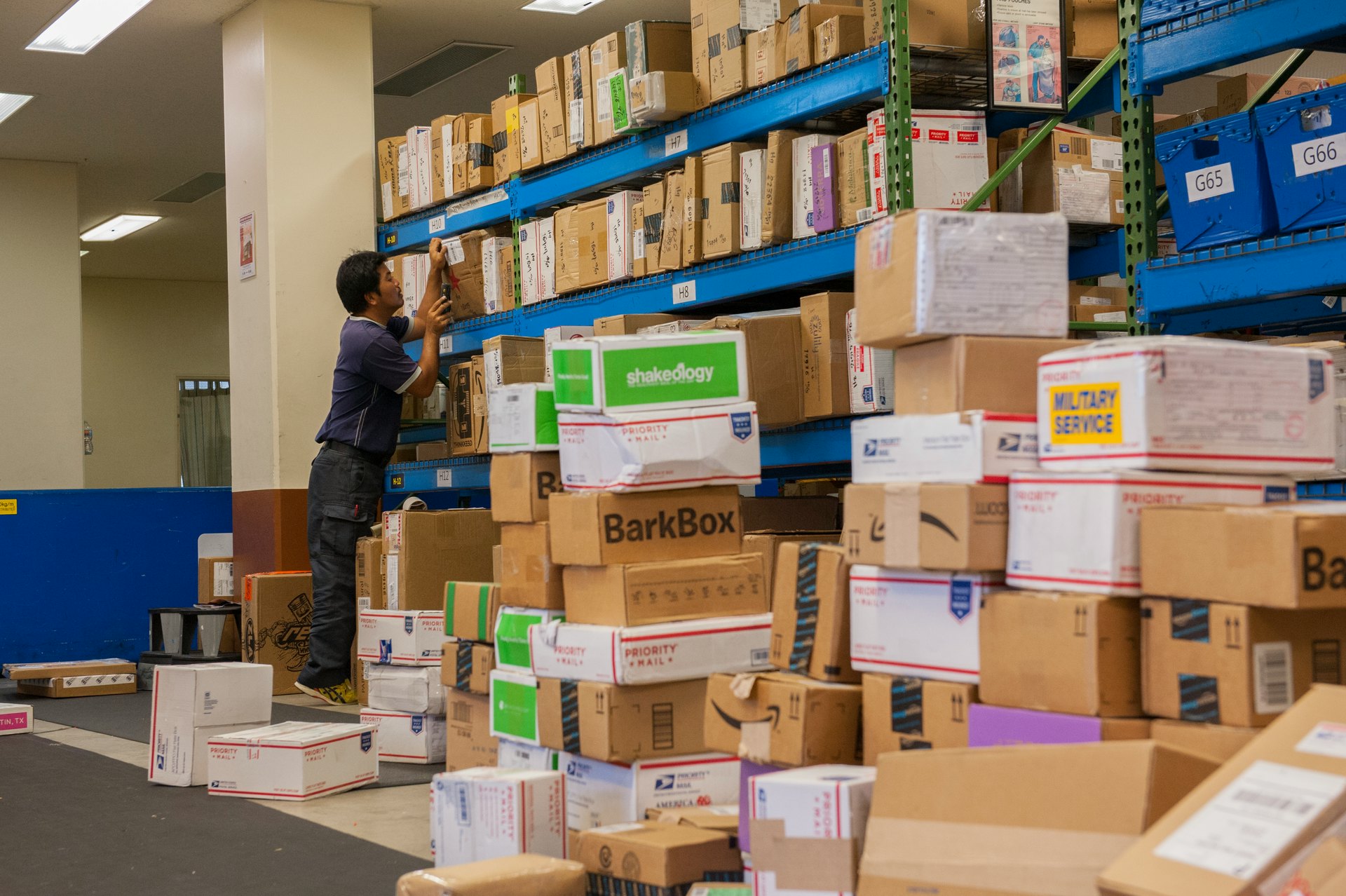
A return happens when a customer sends back a product that was:
📦 Returns are part of normal online shopping.
✔ Seller is notified of the outcome
✔ Earnings are adjusted if a refund is issued
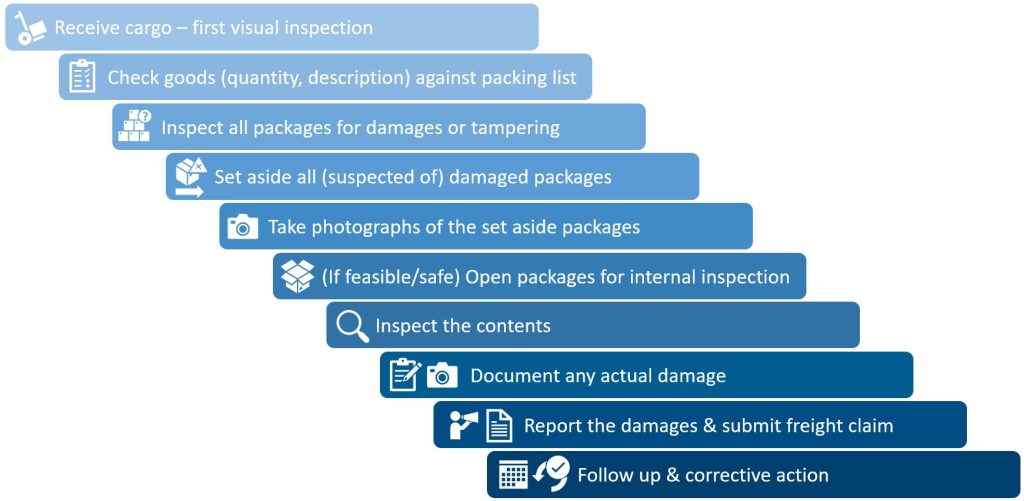

A claim is a formal review raised when something goes wrong during dispatchment operations.
📌 Claims are about accountability and investigation.
⏳ Claims take longer than returns because evidence is reviewed.
Sometimes — but not always.
📌 This depends on inspection results.
✔ Usually nothing
✔ Just monitor stock updates
✔ Respond if contacted
✔ Provide clarification if requested
📌 Most claims are resolved without seller action.
❌ Thinking every return is a claim
❌ Opening disputes for normal returns
❌ Expecting compensation for customer preference returns
❌ Ignoring claim notifications
⚠️ Knowing the difference saves time and stress.
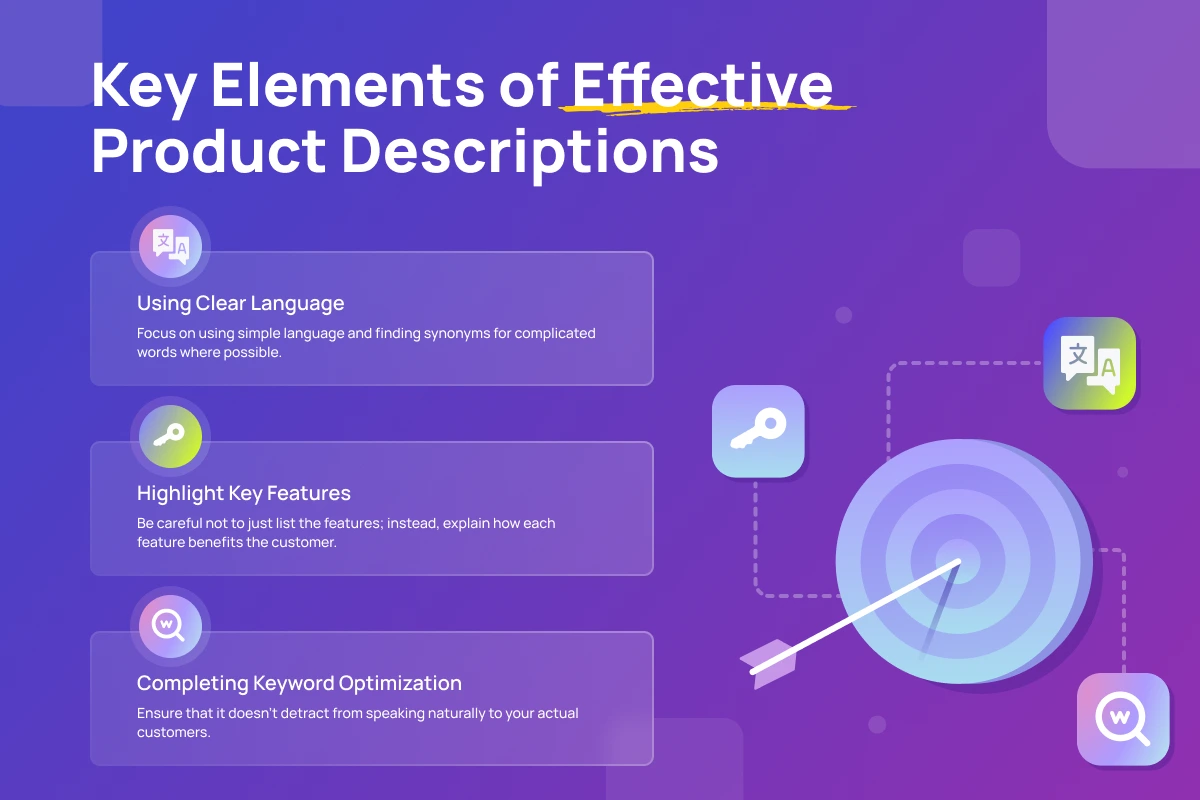
✔ Accurate product descriptions
✔ Clear images
✔ Correct sizing info
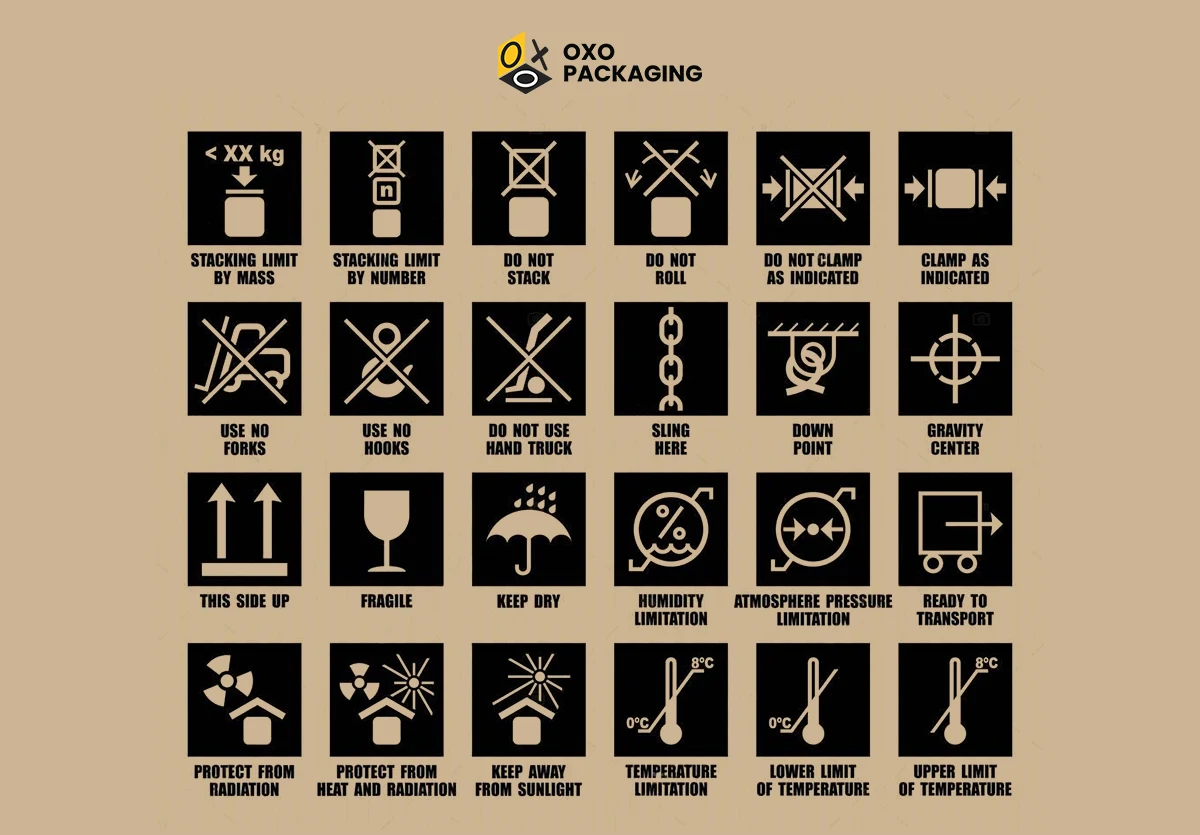
✔ Strong packaging
✔ Enrolling suitable products in dispatchment
Contact **Kingston Express Support if:
📧 Include order ID and product name.
Think of it this way:
Both exist to protect the marketplace — and sellers who understand the difference work smarter with Dispatched by Kingston Express 📦🚚