
 Jamaica




Lorem ipsum dolor sit amet, dolor siterim consectetur adipiscing elit. Phasellus duio faucibus est sed facilisis viverra. Umero praesent nec accumsan nibh, eu grav da metus.
3 min read
(Orders, Returns & Exchanges – Seller Guide)
Clear, professional communication builds trust, protects seller ratings, and reduces returns, refunds, and disputes.
On Kingston Express, how you communicate matters just as much as how you ship — especially for orders Dispatched by Kingston Express.
This guide explains when to message customers, what to say, what to avoid, and how to stay protected.

Good communication:
📌 Silence causes more problems than delays.

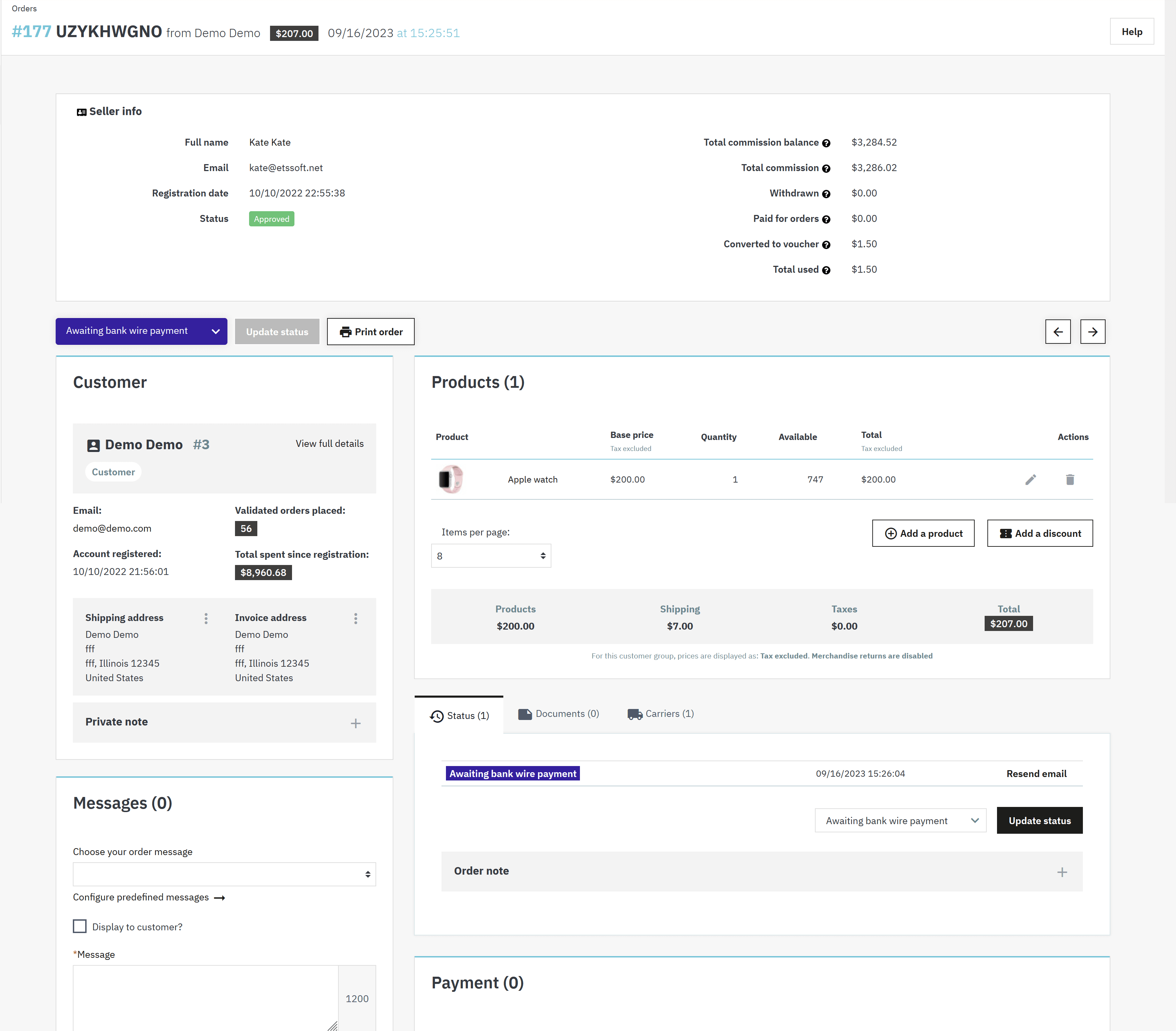
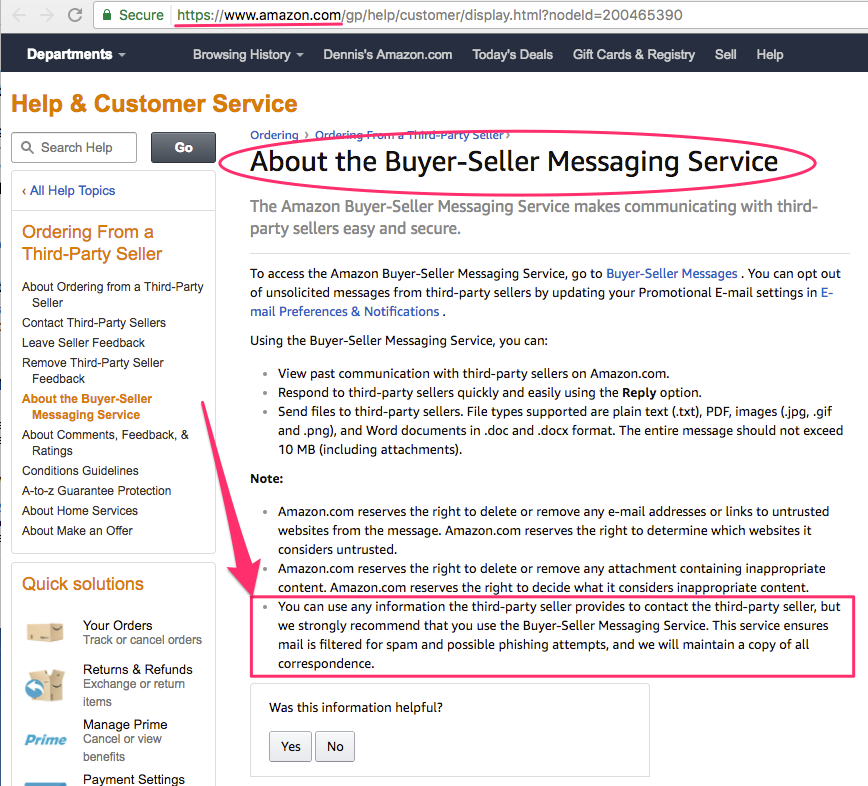
All customer communication should happen through:
📌 Never move conversations off-platform.
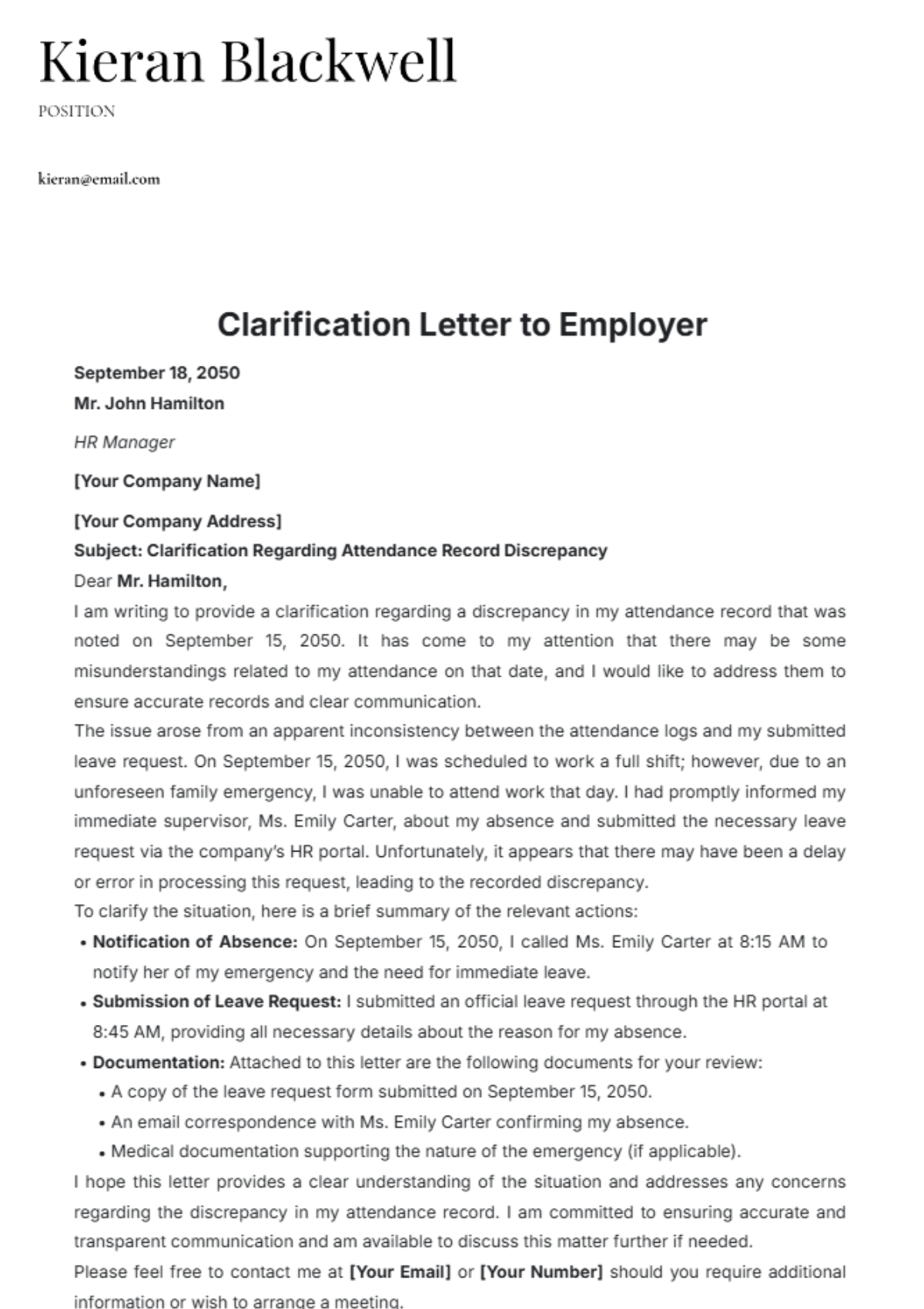

Contact the customer if:
✔ Keep the message short and specific.


If you manage delivery:
📞 Seller-managed orders require proactive updates.
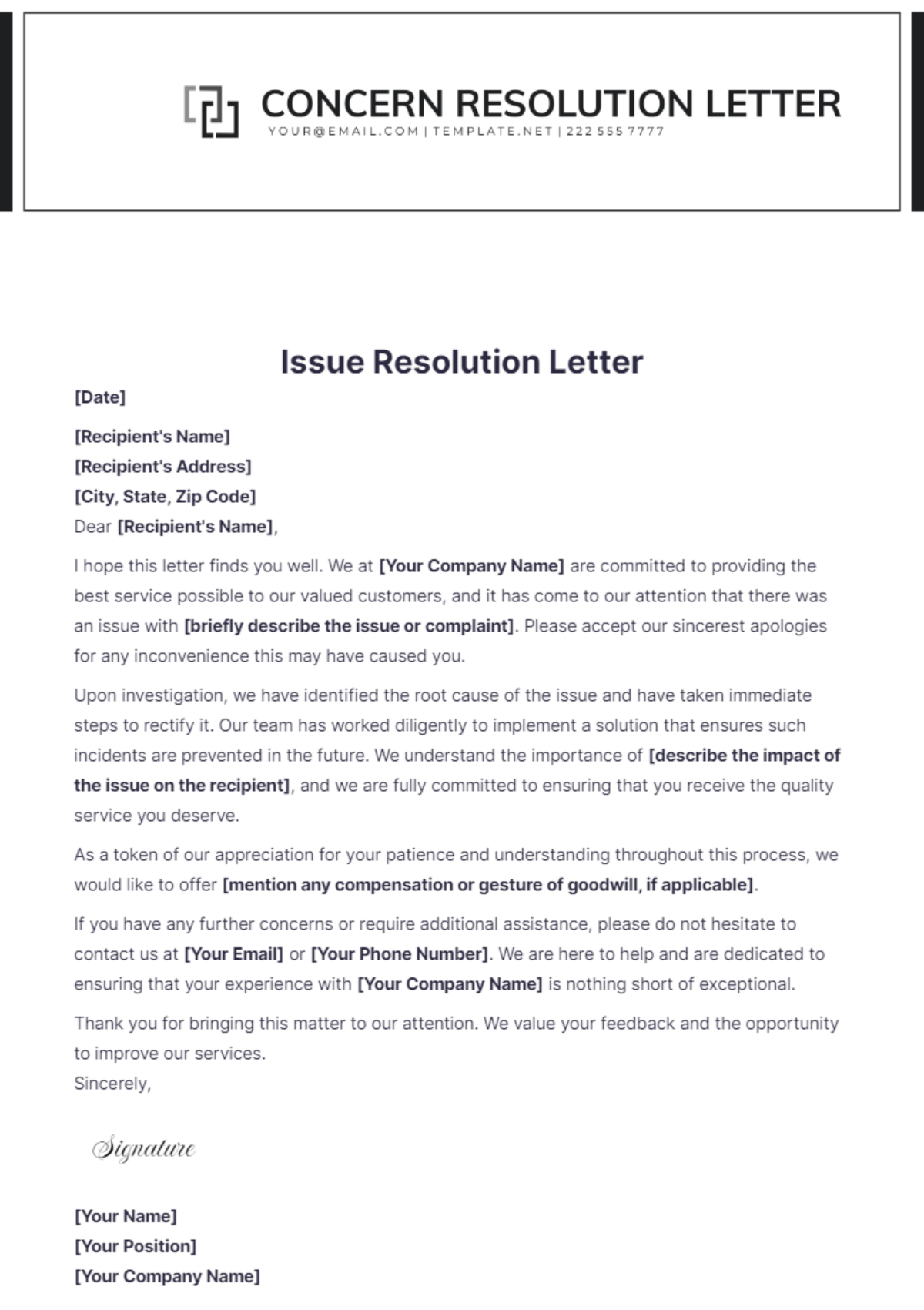
Message customers when:
📌 Clear updates reduce anxiety.
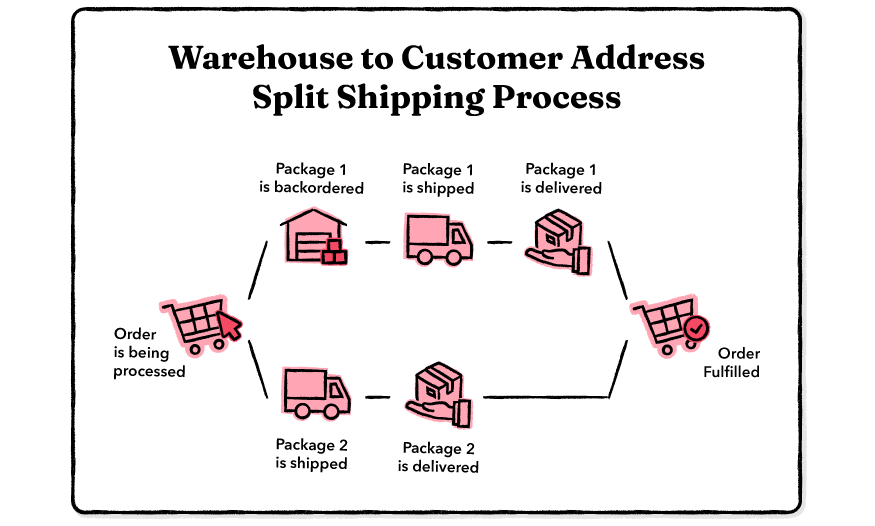
For Dispatched by Kingston Express orders:
📦 Unnecessary messages create confusion.

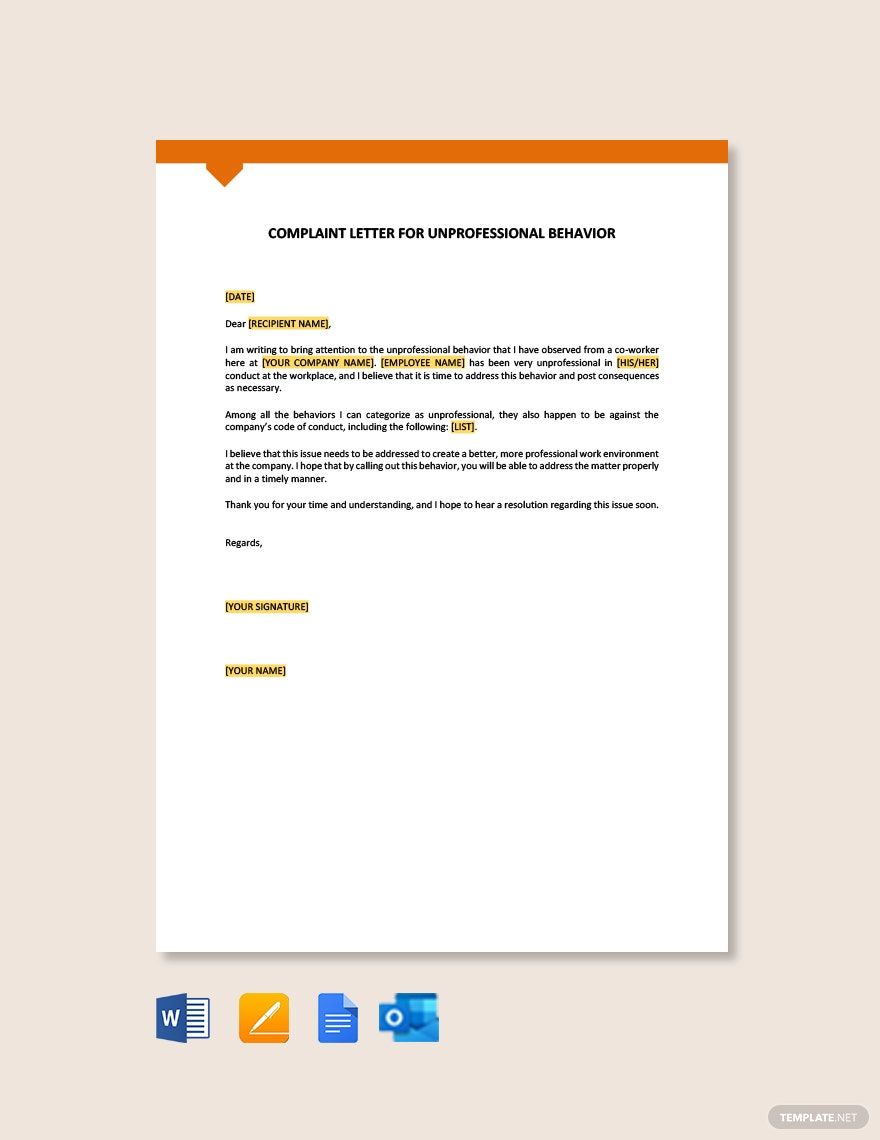
Never message customers to:
⚠️ This often leads to disputes.
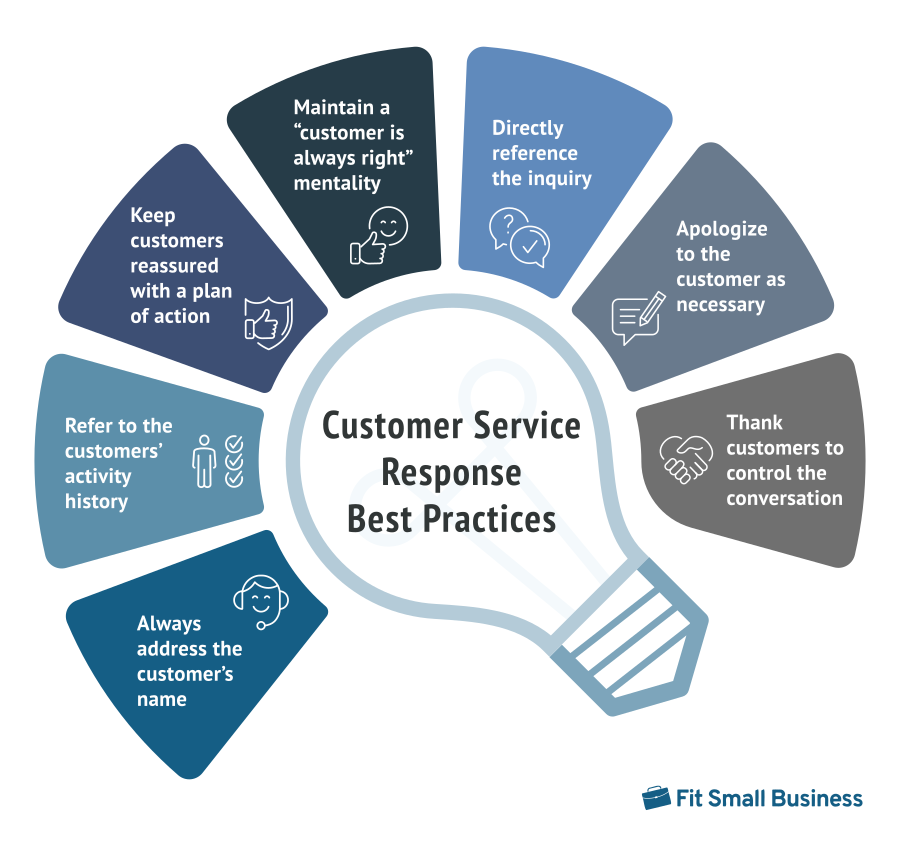
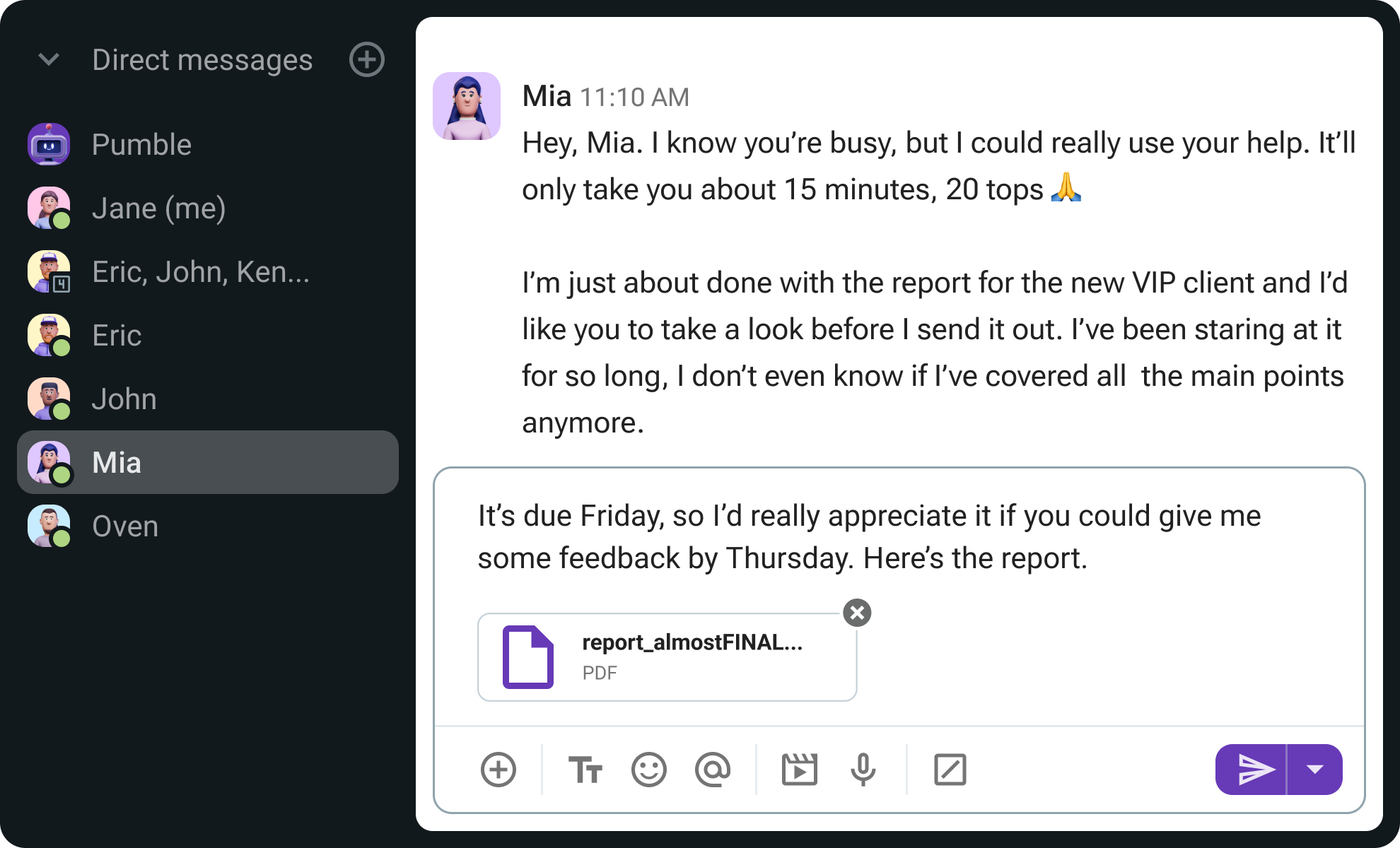
“Thanks for reaching out. Your order is currently being handled by Kingston Express and is still in transit. Delivery is actively monitored, and we’ll update you if anything changes.”
“Thanks for your message. I’m confirming delivery details with the courier and will update you shortly.”
❌ “This isn’t my problem”
❌ “The courier messed up”
❌ “You’ll definitely get it today”
❌ “I’ll refund you now” (without review)
❌ “Customs always delays things”
⚠️ These statements increase disputes and bad reviews.


✔ Calm
✔ Respectful
✔ Neutral
✔ Professional
❌ Emotional
❌ Defensive
❌ Sarcastic
❌ Accusatory
📌 Tone protects ratings.


Example:
“Your return request is under review. Once the item is inspected, we’ll update you on the next steps.”
| Situation | Dispatchment | Seller-Managed |
|---|---|---|
| Delivery updates | Automatic | Seller |
| Delay explanation | Minimal | Required |
| Courier contact | ❌ Seller | ✔ Seller |
| Returns handling | Platform-led | Seller-led |
📌 Know your role before responding.
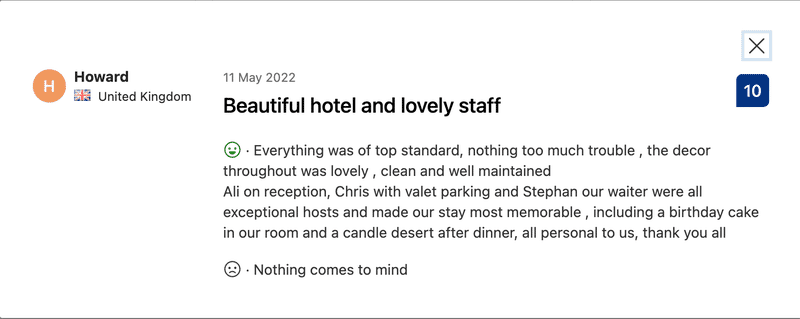
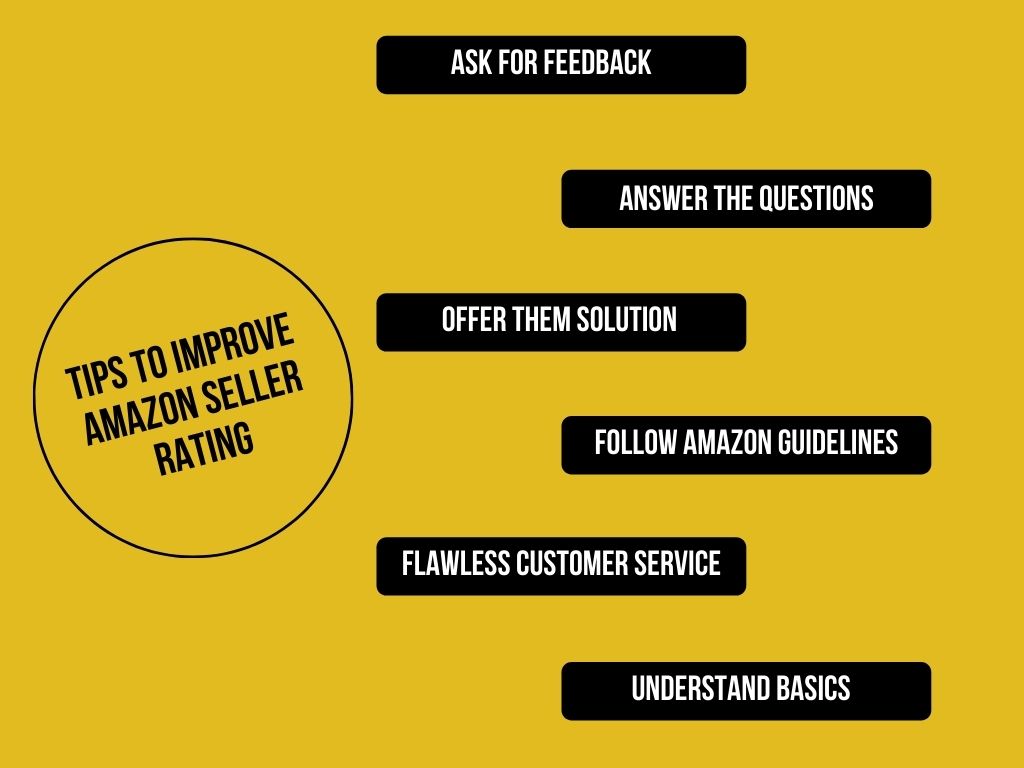
Good communication:
📊 Customers remember how you responded — not just what happened.
Contact **Kingston Express Support instead of messaging if:
📧 Escalate early — don’t argue.
👉 Respond calmly, stick to facts, and never promise outcomes you don’t control.
Sellers who communicate professionally — and trust Dispatched by Kingston Express where applicable — resolve issues faster, protect ratings, and build long-term customer trust 💬📦🚚